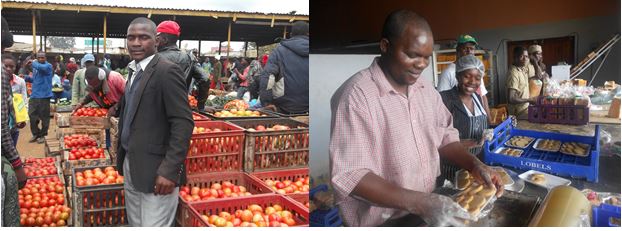
Using evidence to articulate grassroots concerns and opportunities

If concerns and opportunities of people living at the grassroots of developing countries are to be fully understood, evidence gathering tools have to go beyond questionnaires and other techniques designed in the English language. To the extent that facts and figures represent the hardware, in most grassroots communities, feelings and opinions represent the software which Read more about Using evidence to articulate grassroots concerns and opportunities[…]
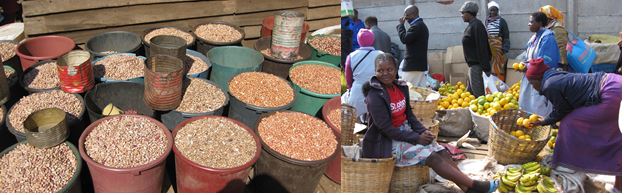
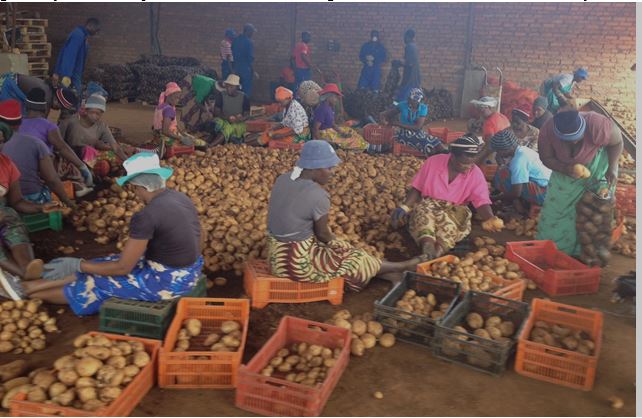
Using feedback to stabilize growth and expand opportunities

For every US$500 million that has goes into agricultural production in Africa, another US$500 million is not injected into the market in order to stimulate demand for what is produced. Β As a results, gluts continue to alternate with shortages of commodities. A major reason is lack of investment in gathering and re-using fluid evidence. Monitoring Read more about Using feedback to stabilize growth and expand opportunities[…]

Recognizing the role of feminine traits in local economies

Another way of increasing the relevance of International Women’s Day which is celebrated on the 8th of March every year is to notice and reflect on how female traits and values play out at grassroots level. If it wasn’t for the presence of feminine traits like empathy, humility, intuition, flexibility, inclusiveness, generosity, balance and patience, Read more about Recognizing the role of feminine traits in local economies[…]

Making sense of the nature of jobs in African agriculture and SMEs

The extent to which farming and non-farming activities in developing countries can create decent employment remains a fertile ground for serious research. While some African governments and churches are competing to establish universities that offer all kinds of degrees, the majority of jobs in the ballooning informal markets and SME sectors do not require a Read more about Making sense of the nature of jobs in African agriculture and SMEs[…]