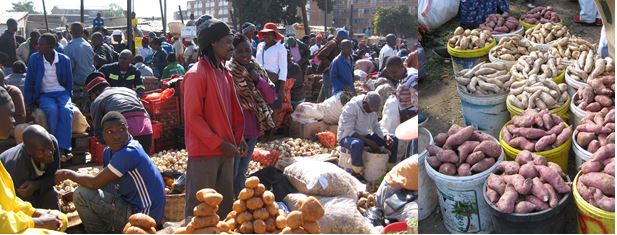
Making sense of wealth distribution in the new networked economy
Just as they distribute commodities and knowledge to all classes of people and income levels, informal markets in developing countries continue to play a central…
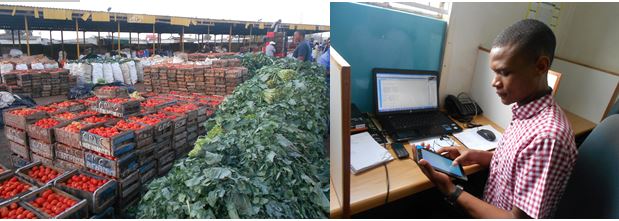
The evolving role of smart intermediaries in African agriculture
While digital technology is threatening to diminish the role of intermediaries in African agriculture, there are signs that smart intermediaries will be around for some…
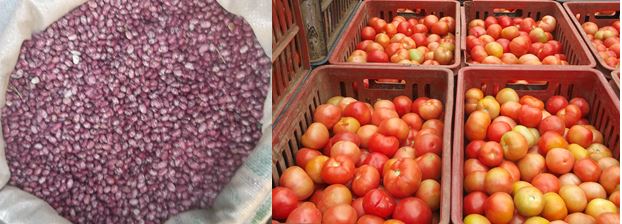
When is a disadvantage actually an advantage?
If it was true that more resources always lead to better results, African communities in high rainfall areas and favorable climatic conditions would be the…
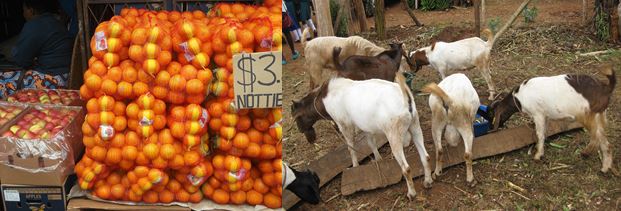
Using evidence to connect with a bigger purpose
In their pursuit for survival, most value chain actors in developing countries do not clarify their contribution to a big purpose like economic growth. For…
Changes in Consumption Patterns ( Video )
Changes in Consumption Patterns
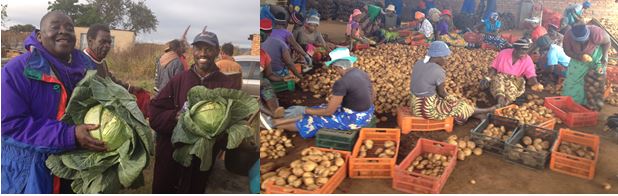
Price as an outcome of negotiations between diverse market actors
African agriculture is one of the most misunderstood ecosystems, especially by investors and development organizations. There is a persistent tendency to force smallholder farmers into…

When data and evidence become currency
Most of the information disseminated to African smallholder farmers and rural marginalized entrepreneurs is barely enough for progressive decision making. In most cases where price…
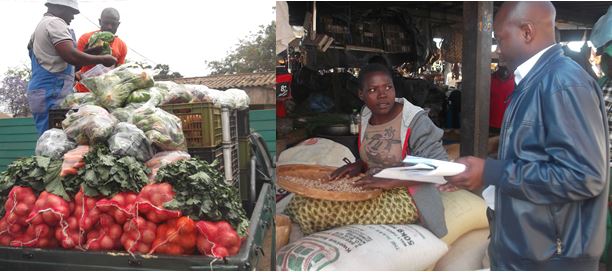
Why value chain actors should identify their most critical knowledge
From all the training, guidance and ideas directed at poor and marginalized farmers, it is often difficult for these actors to determine the most critical…
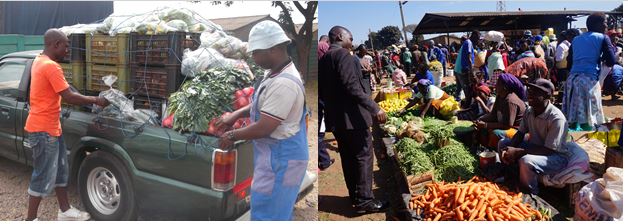
How the market can convert agricultural commodities into career pipelines
Besides climate change and environmental degradation, a major challenge facing many African rural communities is migration of skills and talent to urban centres. There is…