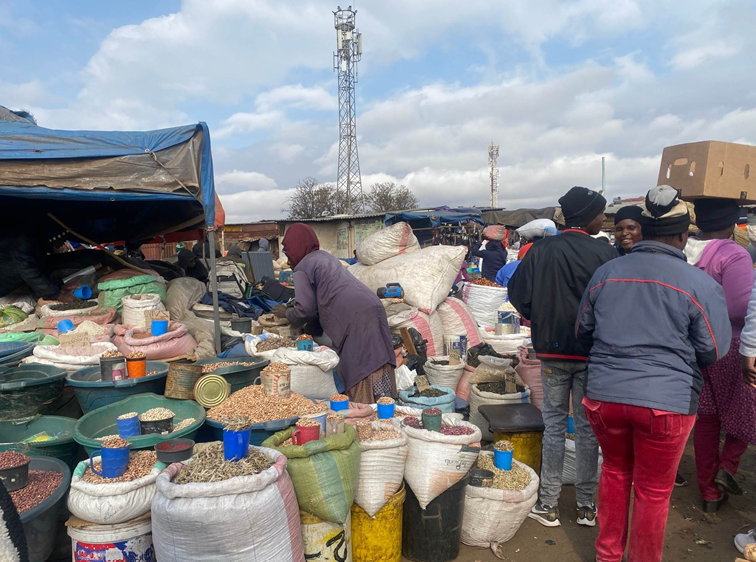
What does knowledge mean when African scholars are not keen to understand informal economies?

If African scholars were more interested in studying informal economies and territorial markets, by now, there would be abundant literature on these important post-colonial institutions. Instead, African scholars are more interested in studying formal institutions and citing textbooks and journals from the Global North. The fact that there are no books about Binga district doesn’t Read more about What does knowledge mean when African scholars are not keen to understand informal economies?[…]

Transporters as unique knowledge brokers in African markets and food systems

The process of moving food commodities from production areas to markets is rich with unique knowledge which you may not hear from farmers or traders but from transporters. In most value chain studies, transporters are often overlooked as key informants yet they get information from diverse actors and sources such as farmers, traders, other transporters, Read more about Transporters as unique knowledge brokers in African markets and food systems[…]

How colonialists used their language to undermine indigenous food systems

In many African countries, colonialists did not just take the best land for producing their own food and raw materials for their own industries. They went further and used their own language to stigmatize indigenous food so that the young generation of Africans would completely delink themselves from food that is an integral part of Read more about How colonialists used their language to undermine indigenous food systems[…]

Why farmers should know how their commodities perform on the market

Why farmers should know how their commodities perform on the market It is no longer enough for farmers to know how to produce particular commodities. This is because agricultural and food commodities participate in a competitive environment so, there is need to identify areas of improvement towards meeting customer expectations. Therefore, it is important for Read more about Why farmers should know how their commodities perform on the market[…]

Domesticating wild animals and plants can strengthen African food systems

For African countries that are preserving their biodiversity, domesticating wild animals and plants can be a promising avenue for strengthening food systems and creating totally new value chains. That will also liberate African communities from depending on corporate hybrids that are causing several health challenges to many populations. What prevents African countries from producing diverse Read more about Domesticating wild animals and plants can strengthen African food systems[…]

What would inclusive urban planning look like for an agriculture-driven economy

Urban planning in most African cities has not only remained colonial but largely focuses on attracting foreign investors and tourists at the expense of meeting the needs of local citizens. The way commodities move from production areas to urban centres should be an integral component of urban planning. That will enable local authorities to answer Read more about What would inclusive urban planning look like for an agriculture-driven economy[…]

How African territorial markets are redefining post-colonial consumption

Although colonial legacies continue to shape the way Africans produce and consume food, African territorial markets are quietly re-defining post-colonial consumption patterns by positioning agroecology and indigenous food systems. This process is also providing alternatives for heathy-conscious citizens keen to de-link local food systems from Western five course meals. Against all odds such as rapid Read more about How African territorial markets are redefining post-colonial consumption[…]

The underrated value of knowing your customer and knowing your market

There are times when the market is more important than inputs like seed, fertilizer and capital but very few farmers invest in understanding the market and knowing their customers. The situation is worse in African territorial markets where customers are as diverse as the commodities such that knowing your customer may not mean keeping that Read more about The underrated value of knowing your customer and knowing your market[…]

How evidence and knowledge influence the quality of commodities and incomes

The quality of agricultural commodities and income is influenced by the quality of evidence and knowledge accessible to value chain actors, thanks to evidence from African mass food markets. More importantly, the survival of any business depends on the trust, relationships and networks built with existing and potential suppliers and buyers. Many African countries produce Read more about How evidence and knowledge influence the quality of commodities and incomes[…]

How agroecology is dismantling stereotypes about rural Africa

Gone are the days when African rural areas were associated with backwardness. With many indigenous food commodities like wild fruits and tubers from rural areas commercializing themselves through African territorial markets, many Africans who care about health and wellness are relocating to rural areas and the countryside from cities.  Who wants to live in an Read more about How agroecology is dismantling stereotypes about rural Africa[…]