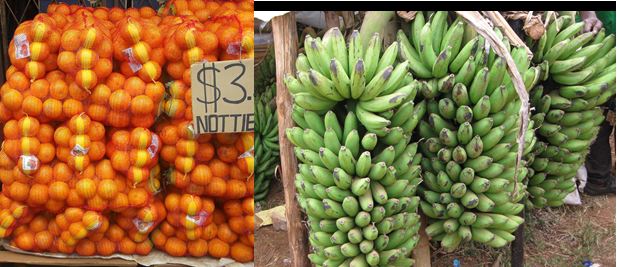
Moving decision making closer to points of impact and knowledge
In most developing countries, decisions that affect farmers and rural communities are often made by policy makers and development agencies who do not reside in…
In most developing countries, decisions that affect farmers and rural communities are often made by policy makers and development agencies who do not reside in…
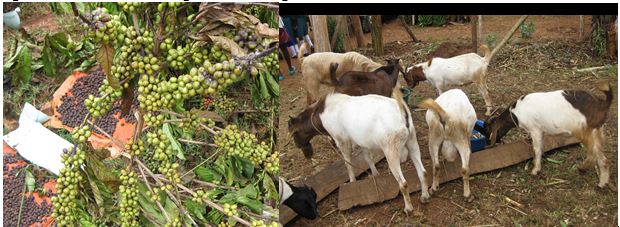
If you did not know that knowledge has a life cycle you are not alone. However, that should not be a consolation. Effectively managing knowledge…
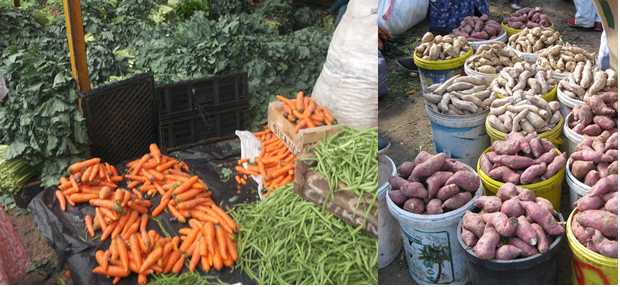
One of the most persistent myths in African agriculture is that commodity prices are set by traders, negatively referred to as ‘middlemen’. Paying lip service…
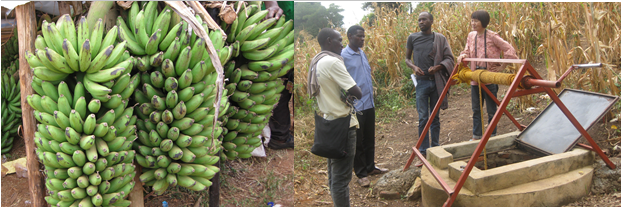
Knowledge generation and sharing has been happening in every community since time immemorial. However, there has not been enough recognition of the way knowledge is…
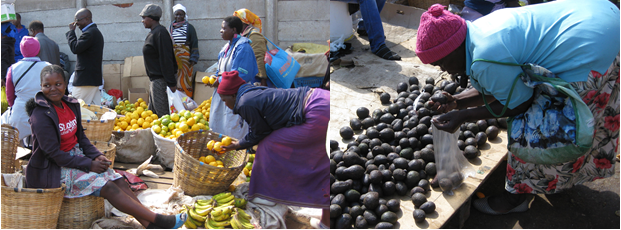
A fine-grained view of agricultural opportunities in most developing countries can result from better characterization of value chain actors such as farmers. In addition to…
As agricultural niches become congested and highly competitive, evidence-based decision making has never been so important. It is against these trends that eMKambo (www.emkambo.co.zw) will…

Background Climate change-induced food insecurity and global socio-economic instability compels us to continuously revisit food demand and supply models, especially in developing countries. Conventional approaches…
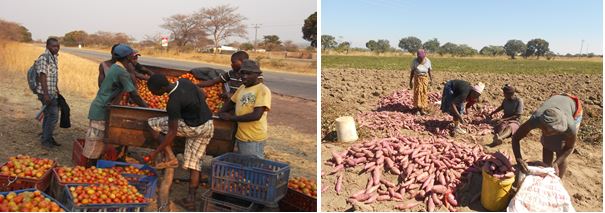
In a rapidly changing knowledge economy, it no longer makes sense to continue characterizing farmers in developing countries by the size of land on which…

Groundnut has traditionally been a famous cash cow in Zimbabwe. Many Cabinet ministers, captains of industry, academics and bankers can testify to have gone to…
One of the most enduring misconceptions in developing countries is the notion that if farmers and rural people are not involved in creating knowledge they…