
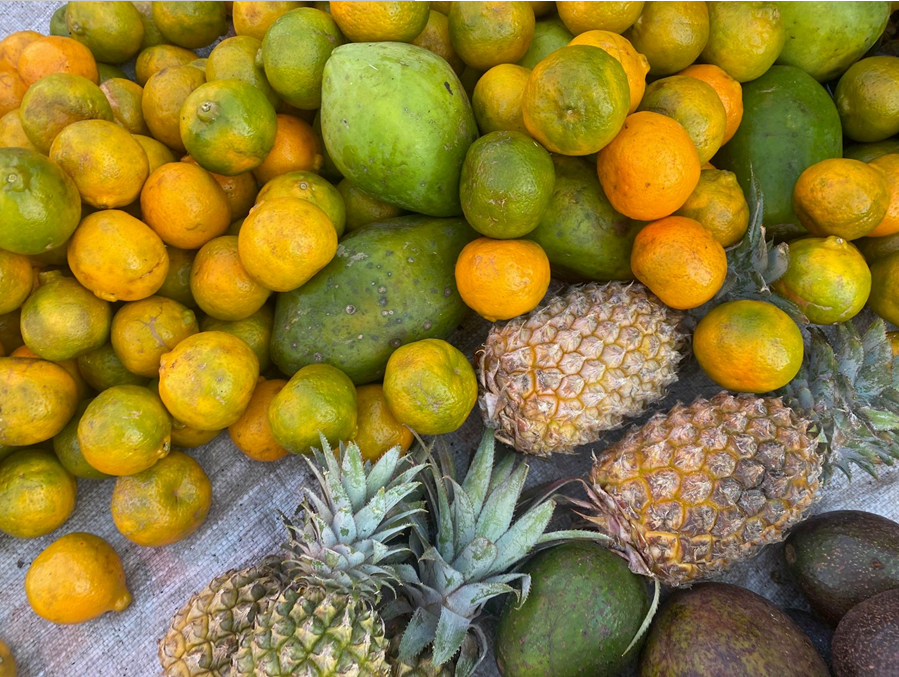
African mass markets are no longer just a source of diverse nutrition and affordable food. Many of them are quietly contributing to health and wellness by creating moments of emotional connection, peace, recovery, and fulfilment for several consumers who now patronize these markets. The increasing demand for natural remedies is also seeing many consumers preferring simple meals that come directly from the land like wild fruits found in mass markets. As they respond to the needs of consumers that are avoiding food coming from factories, mass markets are inserting themselves in the on-going health and wellness revolution.
Broadening the meaning of health and wellness
By providing a competitive platform for diverse food, mass markets are helping many consumers to think about their wellness in broad terms embracing sleep, stress, energy and other aspects. Traditional medical practice which is also part of mass markets caters to the spiritual dimension of health and wellness. All these are multiple ways through which mass markets are delivering natural products and services that better meet the evolving needs of diverse urban consumers. This is a deep source of identity and meaning for many urban dwellers who have been disconnected from their rural backgrounds for decades.
Mass markets becoming part of the experience economy
Over the past few years, African mass markets have become a major destination for tourists from Asia, Europe and USA visiting African countries to experience African values through food and culture. Many foreign and even African consumers are spending more money and time on travel, entertainment, and activities linked to wellness, connection, and restoration some of which are found in mass markets. Countries that package their mass markets into special economic zones embedded with the experience economy are set to reap more rewards than just promoting natural features like the Victoria Falls or Mt Kilimanjaro or national parks.
Defining the new wellness equation
Mass market traders and traditional medical practitioners may not participate in elite conversations about sleep, stress, healthy aging, and health span but they now know that consumers are becoming much more health conscious than ever before. This is visible in the demand patterns of particular foods and natural medicinal products found in mass markets. Mass market traders and traditional medical practitioners may not be nutritionists or western-trained medical doctors but they are learning to define health across a much broader set of attributes spanning both mental, spiritual and physical well-being. Historically, wellness was associated primarily with weight management, diet, and exercise. Today, consumers including tourists who frequent African mass markets value sleep, mindfulness, stress management, gut health, and more. Consumers no longer just associate health with physical appearance but how what they consume contribute to how they feel and function daily.
Growing space for agro-ecology
The growing demand for food that is grown without harming the environment is seeing agro-ecology gaining traction through mass markets – contributing to the health, experience and wellness economy. More importantly, mobilizing food from diverse micro climates is enabling mass markets to provide alternatives for consumers who desperately want to more away from artificial ingredients and sweeteners. Reducing highly processed foods, sugar, and alcohol is becoming a key part of achieving wellness goals among the young generations who are looking toward mass markets as sources of solutions. In order to satisfy this growing trend, agro-ecology should extend its role to package mass markets so that they are able to continuously deliver health and wellness experiences to diverse consumers, especially for young generation.
Emerging new capacities for mass markets
This is also the space within which digital platforms can play a more positive role. While the new technology-driven path to purchasing decisions may not quickly cause consumers to shift from mass markets to online platforms, the biggest value of online platforms is enabling consumers to discover and evaluate agro-ecology products in more places than ever before. For instance, consumers may not know agro-ecology products in Gokwe or Chipinge unless those products are posted online. That way digital technologies can significantly influence purchasing decisions.
As mass markets attract consumers from diverse backgrounds and different parts of the world, traders are realizing the value of branding their products. In fact, managing such brands’ relationship with consumers is becoming a very important new capability. The traders are being compelled to position their wellness products more specifically beyond generic claims like “healthy” or “healthier”. Brand propositions need to be credible, measurable, and outcome based as emerging scientific technology will soon enable many consumers to measure calories, glucose, allergies, longevity, and many other metrics within food products. While affordability still matters, value now extends beyond price. Mass markets have to be continuously capacitated to create experiences that deliver unique value while responding to rapidly changing consumer expectations.
Charles@knowledgetransafrica.com / charles@emkambo.co.zw /
Website: www.emkambo.co.zw / www.knowledgetransafrica.com
Mobile: 0772 137 717/ 0774 430 309/0712737430