Making sense of the nature of jobs in African agriculture and SMEs
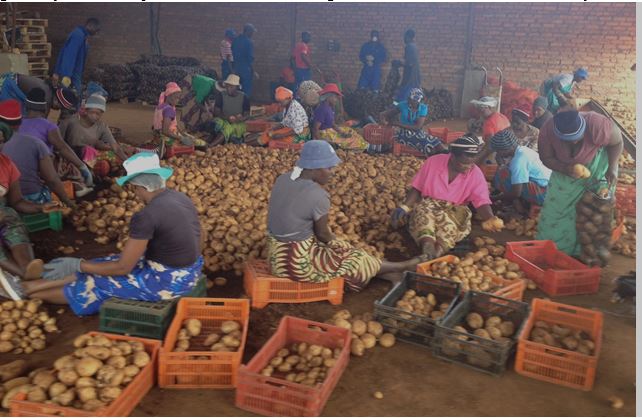
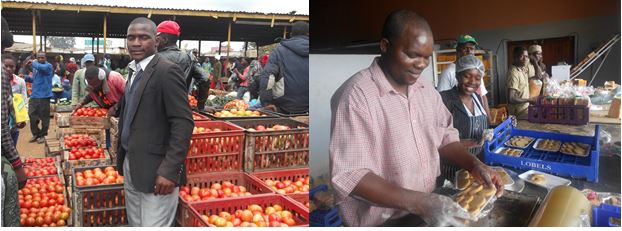
The extent to which farming and non-farming activities in developing countries can create decent employment remains a fertile ground for serious research. While some African…
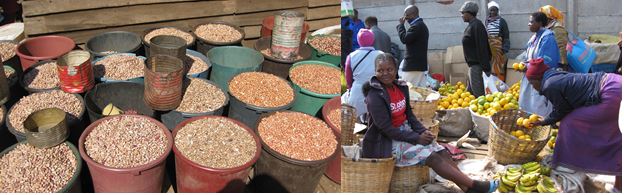
One of the benefits of continuously observing and learning from informal African food markets is an opportunity to update knowledge and see inevitable trends before…
While billions of dollars have gone into African agriculture, smallholder farmers and other food producers are yet to be characterized and structured in ways that…
It is now known that African graduates are not able to exploit abundant natural resources because the academic education system focuses too much on literacy…
One of the most misunderstood aspects of agricultural value chains in most developing countries is the time lag between marketing and consumption of agricultural commodities.…
eMKambo has been in African food markets long enough to notice some invisible patterns that should be known to farmers, financiers, development agencies and policy…
Rising demand for wild foods and local herbs in most African informal markets demonstrate the desire for the public to return to natural remedies. In…
Food demand and supply systems like informal markets can be powerful pathways for bringing science closer to local communities in developing countries. More than 70%…
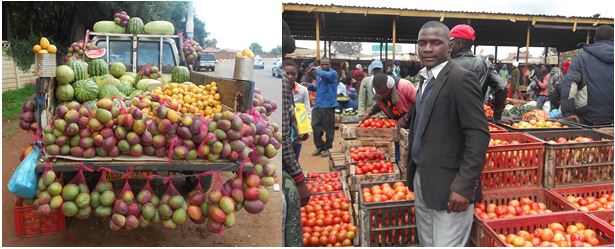
Although it has existed for more than 100 years, middlemenship or intermediation continues to be misunderstood in agro-based African countries. Contrary to what most farmers…
While many people have made resolutions for 2018, eMKambo is devoting this brand new year to questions that open doors, uncover solutions and spark positive…