
Lessons from how informal markets keep agricultural knowledge fresh
Just as agriculture markets prefer fresh fruits, vegetables, meat, eggs and other commodities, knowledge on all these commodities should also be kept fresh. It is…
Just as agriculture markets prefer fresh fruits, vegetables, meat, eggs and other commodities, knowledge on all these commodities should also be kept fresh. It is…

From Mali to Zimbabwe and South Africa to Southern Sudan, small grains remain an integral part of mainstream local food systems. There are many reasons…
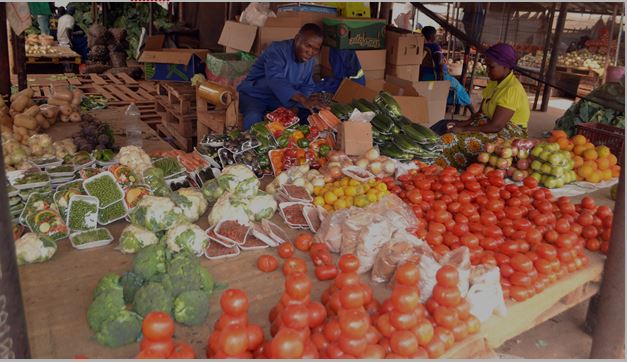
A few years ago, it appeared supermarkets were the only place where consumers would find fresh fruits and vegetables in African cities. The situation has…
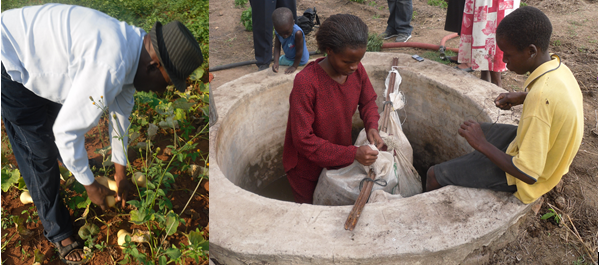
The formal education system in many developing countries is organised in such a way that the depth and breadth of knowledge imparted determines grades and…
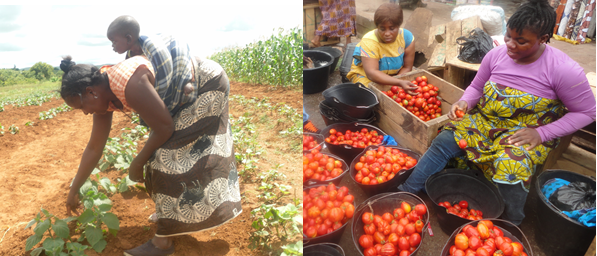
‘Best practice’ is not even a mouthful but what it means in practice remains unclear to many people who use the phrase. In African agriculture,…
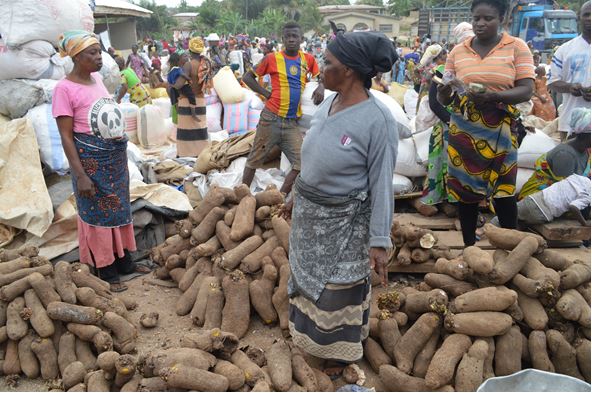
Many developing countries are witnessing trends where indigenous knowledge systems are transforming to a commercial stage. This is exposing the myth that indigenous knowledge can…
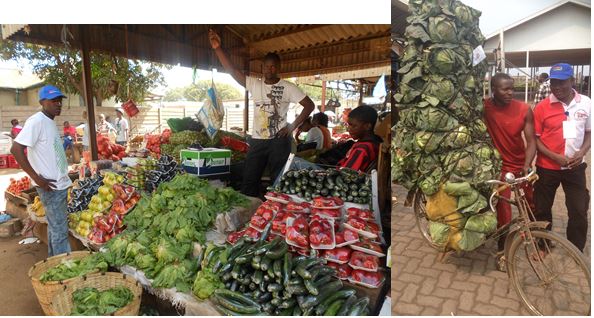
There are many reasons why developing countries suffer from a severe mismatch between knowledge supply and demand. Less than 20% of knowledge in African countries…
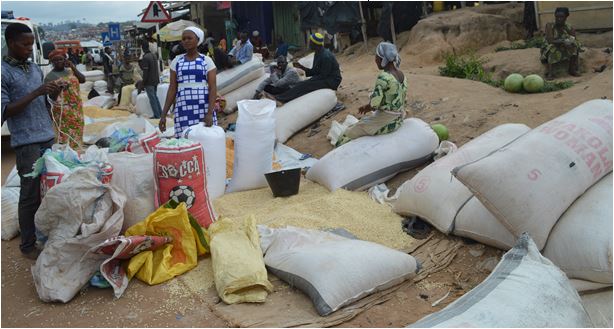
While a lot of resources have gone into producing and pushing information to farmers and rural people, there has not been enough effort into understanding…
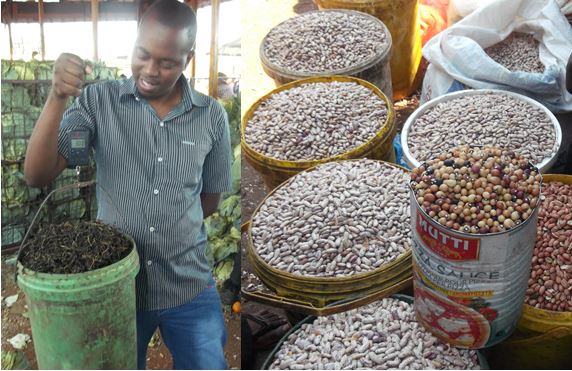
One of the enduring challenges in African agriculture is defining effective metrics to measure the value of knowledge. In most agricultural value chains, knowledge is…

Socio-economic challenges facing many developing countries are revealing the shortcomings of rewarding individual performance. Most problems have become so complex that individual people or organisations…