How informal markets are redefining agricultural extension
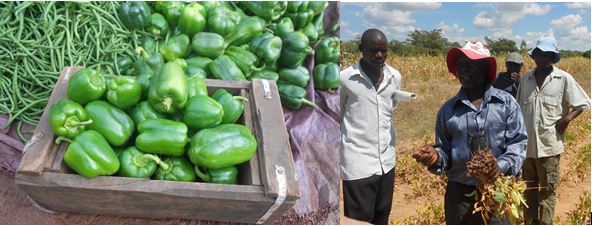
Given their openness and competitive nature, informal agriculture markets enable farmers to see their knowledge gaps. This shows up in a comparative sense where farmers…
Given their openness and competitive nature, informal agriculture markets enable farmers to see their knowledge gaps. This shows up in a comparative sense where farmers…
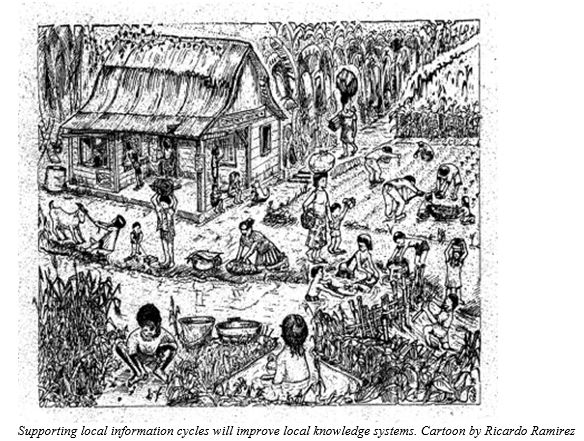
In spite of promises surrounding mobile technology, African communities still face enormous barriers to accessing reliable, relevant and usable information and knowledge. Over the past…
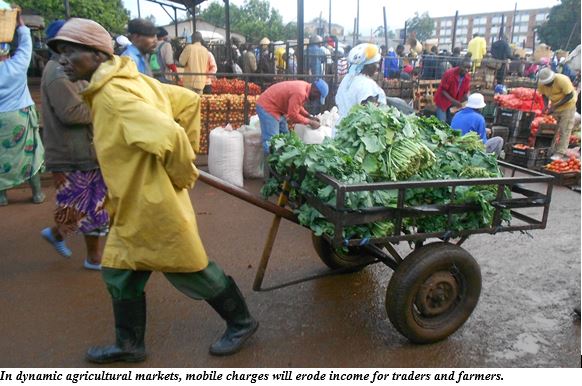
Financial inclusion has become one of the buzzwords in many African countries including Zimbabwe. It is as if financial institutions, development agents and policy makers…

Like any other innovation, the explosion of ICTs and social media has come with merits and demerits in most developing countries. Although it is always…
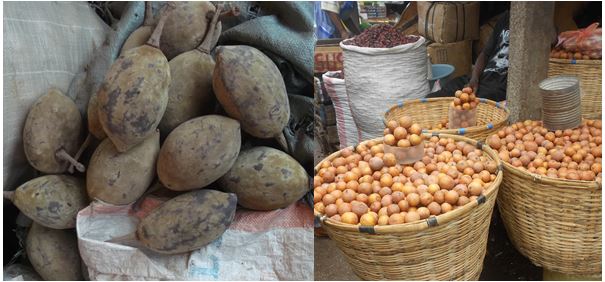
While African countries seem to be encouraging their farmers to produce for exporting to developed countries, those countries are looking at African countries as their…
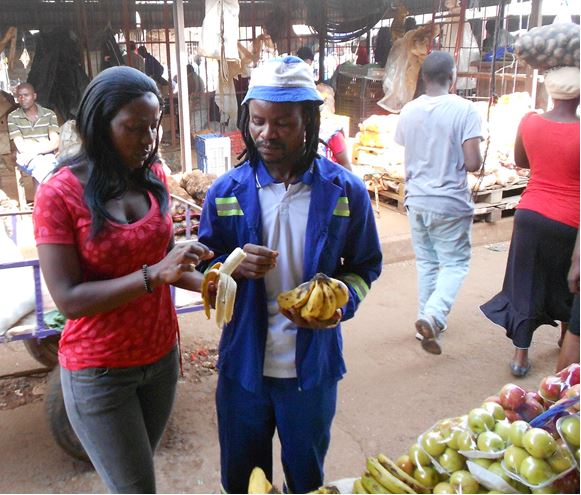
In a world increasingly driven by ICTs, farmers should not be satisfied with feedback from supermarkets and contract companies. Nothing stops them from speaking directly…
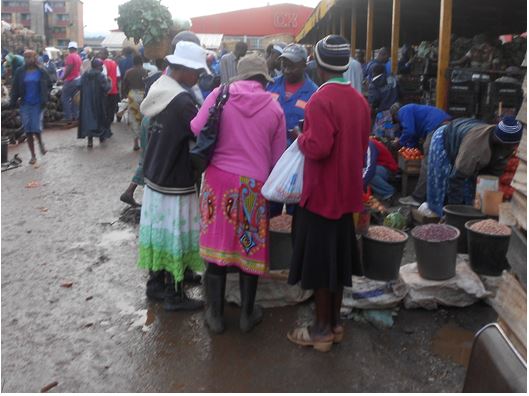
A close look at informal agriculture markets across Africa shows they thrive on implicit knowledge that cannot be manipulated through software or codified into a…

A significant portion of billions of dollars that have gone into agriculture in developing countries have been absorbed by supply-driven information systems. With each organisation…
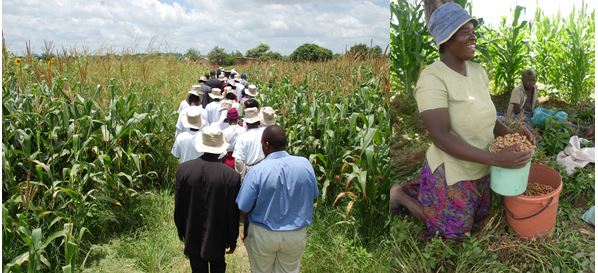
Given the disparate nature of smallholder production in developing countries, it is often very difficult for buyers, development actors and policy makers to get an…
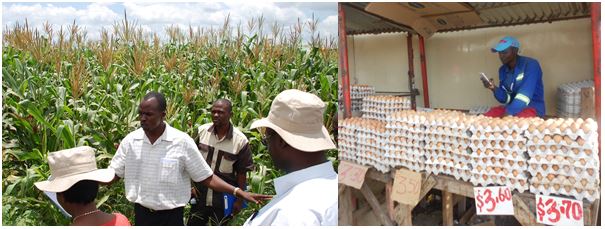
In many developing countries, farmers who diversify their sources of information and knowledge are more successful than those who rely on fewer sources. These are…