
Making sense of invisible advantages in rural African communities
Many rural African communities have seen development programmes and business models come and go. What has kept these communities alive is their invisible advantages in…
Many rural African communities have seen development programmes and business models come and go. What has kept these communities alive is their invisible advantages in…

Groundnut has traditionally been a famous cash cow in Zimbabwe. Many Cabinet ministers, captains of industry, academics and bankers can testify to have gone to…

In spite of the current obsession with formal learning approaches where people are encouraged to learn from each other, many African farmers remain convinced they…

Where formal organizations try to store their knowledge in the form of corporate processes and procedures, informal institutions like people’s agriculture markets pack their knowledge…

From Mali to Zimbabwe and South Africa to Southern Sudan, small grains remain an integral part of mainstream local food systems. There are many reasons…
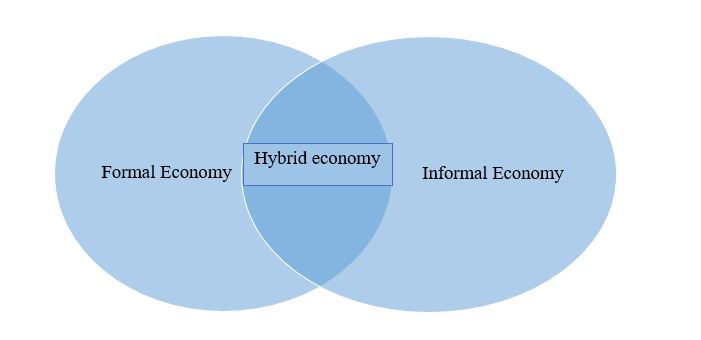
Most African economies are often presented as being dual, comprising the formal and informal economy. However, in real practice the two parts function as a…
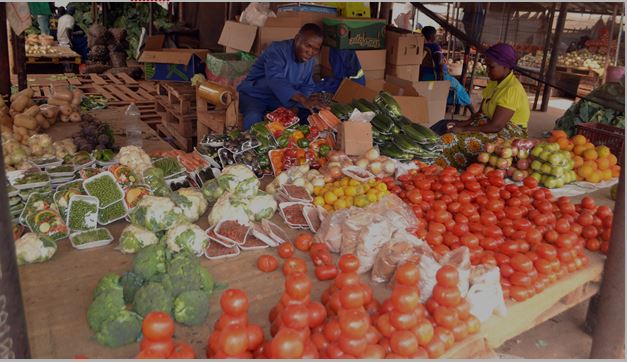
A few years ago, it appeared supermarkets were the only place where consumers would find fresh fruits and vegetables in African cities. The situation has…
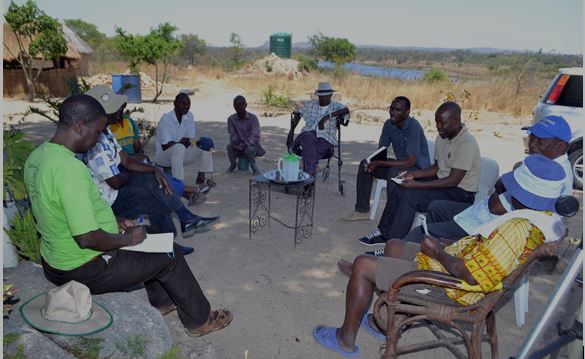
Although there is a tendency to treat the majority of African smallholder farmers as passive recipients of external information and knowledge, they are very good…

Many people who grew up in African communities practicing mixed farming, remember how taming young bulls or steers into a span of oxen was not…

The majority of African economies are too complex to be fully exploited through current formal education systems that promote silos. While it is important to…