Overcoming misconceptions about involving users in creating knowledge

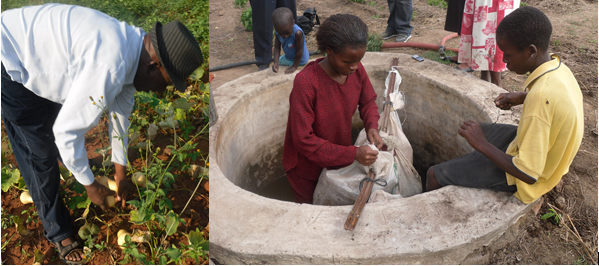
One of the most enduring misconceptions in developing countries is the notion that if farmers and rural people are not involved in creating knowledge they will not adopt what comes from outside. As a result, billions of US dollars have gone into diverse versions of participatory development approaches. Unfortunately, as soon as donor funding dries Read more about Overcoming misconceptions about involving users in creating knowledge[…]

Lessons from how informal markets keep agricultural knowledge fresh

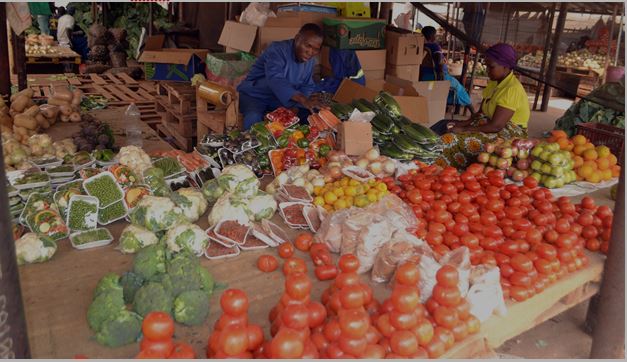
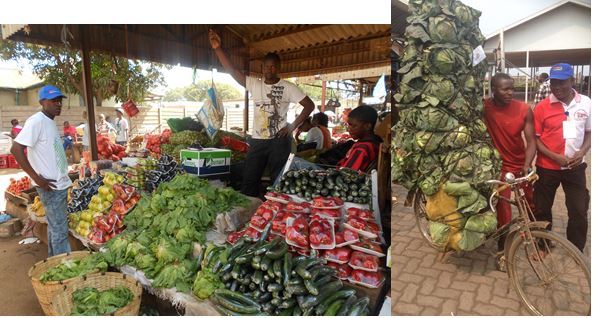
Just as agriculture markets prefer fresh fruits, vegetables, meat, eggs and other commodities, knowledge on all these commodities should also be kept fresh. It is through regular visits to the market that farmers are able to keep their knowledge fresh.Β  Farmers who extend loans to traders in the form of commodities also extend knowledge about Read more about Lessons from how informal markets keep agricultural knowledge fresh[…]

Some of the reasons why small grains continue to resist winner take all commercialization

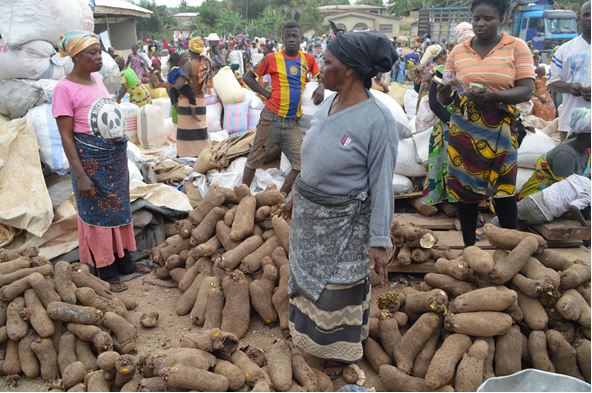
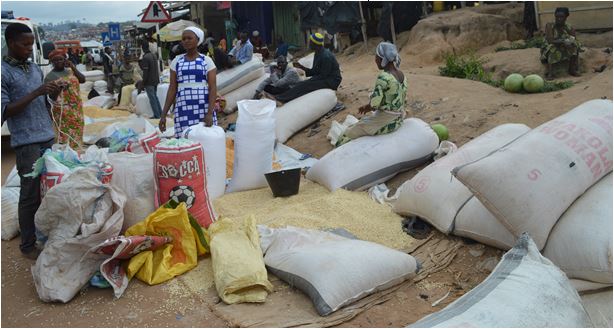
From Mali to Zimbabwe and South Africa to Southern Sudan, small grains remain an integral part of mainstream local food systems.Β  There are many reasons why small grains continue to pack a huge socio-economic punch in many countries. Β To revisit and stimulate a frank discussion on the power of small grains, eMKambo has just completed Read more about Some of the reasons why small grains continue to resist winner take all commercialization[…]

Silent and health competition in African fresh food markets

A few years ago, it appeared supermarkets were the only place where consumers would find fresh fruits and vegetables in African cities. The situation has changed dramatically.Β  Armed with new food safety knowledge and insights from consumers, informal and open fresh food markets have become preferred destinations for the majority of consumers. Imported fruits and Read more about Silent and health competition in African fresh food markets[…]

How much should farmers and consumers know about something?

The formal education system in many developing countries is organised in such a way that the depth and breadth of knowledge imparted determines grades and qualification levels. Unfortunately, it is difficult to translate this arrangement into real life where societies do not function according to grades and degree qualifications. For instance, farmers and rural communities Read more about How much should farmers and consumers know about something?[…]

How to move from ordinary to best agricultural practices

β€˜Best practice’ is not even a mouthful but what it means in practice remains unclear to many people who use the phrase. In African agriculture, it takes a lot for a farmer or trader to become a best practitioner. Β Most value chain actors face challenges in identifying sufficient quality evidence that can be translated into Read more about How to move from ordinary to best agricultural practices[…]

From farmers and traders to knowledge artisans

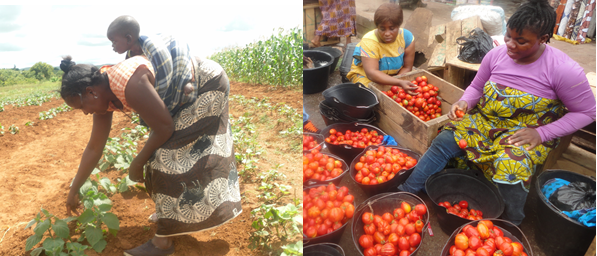
Many developing countries are witnessing trends where indigenous knowledge systems are transforming to a commercial stage.Β  This is exposing the myth that indigenous knowledge can remain pure and undiluted in the current rapidly globalizing world. The modern economy forces farmers, traders and other economic actors to contribute knowledge to their socio-economic networks. Every farmer or Read more about From farmers and traders to knowledge artisans[…]

How can we build equilibrium knowledge ecosystems in developing countries?

There are many reasons why developing countries suffer from a severe mismatch between knowledge supply and demand. Less than 20% of knowledge in African countries has been documented.Β  Besides driving policy and economic development, such knowledge is trying to influence the 80% tacit knowledge which is undocumented. While computerisation and digital technology are expanding in Read more about How can we build equilibrium knowledge ecosystems in developing countries?[…]

Why we must assess knowledge uptake in agriculture and rural development

While a lot of resources have gone into producing and pushing information to farmers and rural people, there has not been enough effort into understanding the uptake and utilization of all this information. Barriers and enabling factors to knowledge uptake have not been dealt with. With dwindling resources, the modernisation-driven communication model of pushing information Read more about Why we must assess knowledge uptake in agriculture and rural development[…]

How can we measure the cost of lost knowledge in the agriculture sector?

One of the enduring challenges in African agriculture is defining effective metrics to measure the value of knowledge. In most agricultural value chains, knowledge is not considered a cost component. Farmers and other value chain actors consider inputs, labour and equipment to be the only elements in calculating profit. Excluding knowledge, which is apparently becoming Read more about How can we measure the cost of lost knowledge in the agriculture sector?[…]