In most African countries, fragmented and inaccessible data continue to limit home-grown innovation while enabling external exploitation. Many government departments, local authorities, financial institutions and development organizations collect vast amounts of information for compliance but lack the internal capability to turn that data into road maps for strategic growth. For instance, a lot of data collected by government departments responsible for tourism and hospitality does not speak to equally vast amounts of data in food systems and mass markets.
Using data, knowledge and food to expand the meaning of tourism
With enough innovation around indigenous knowledge systems and local food systems, African countries should be able to expand the meaning of tourism and hospitality. For a long time, tourism has been associated with travel, recreation and pleasure. That definition should be different in African contexts where most economies are agro-based. Community dialogues can add more value to the meaning of tourism to move beyond pleasure toward embracing knowledge sharing and business opportunities. This can be done through using data and digital technologies to surface the unique selling proposition of indigenous food and culture.
At the moment, tourism mostly focuses on national features like Victoria Falls, Mount Kilimanjaro and historical places like Great Zimbabwe Ruins and Egyptian pyramids. However, these do not provide more investment opportunities. Being business-minded, most tourists are looking for business opportunities. They are not just interested in entertainment and cultural dance but scouting for investment potential. That means, for an agro-based economy, the tourism promotion basket should include investment opportunities in food systems and knowledge generation.
Mass markets as trade centres for tourism
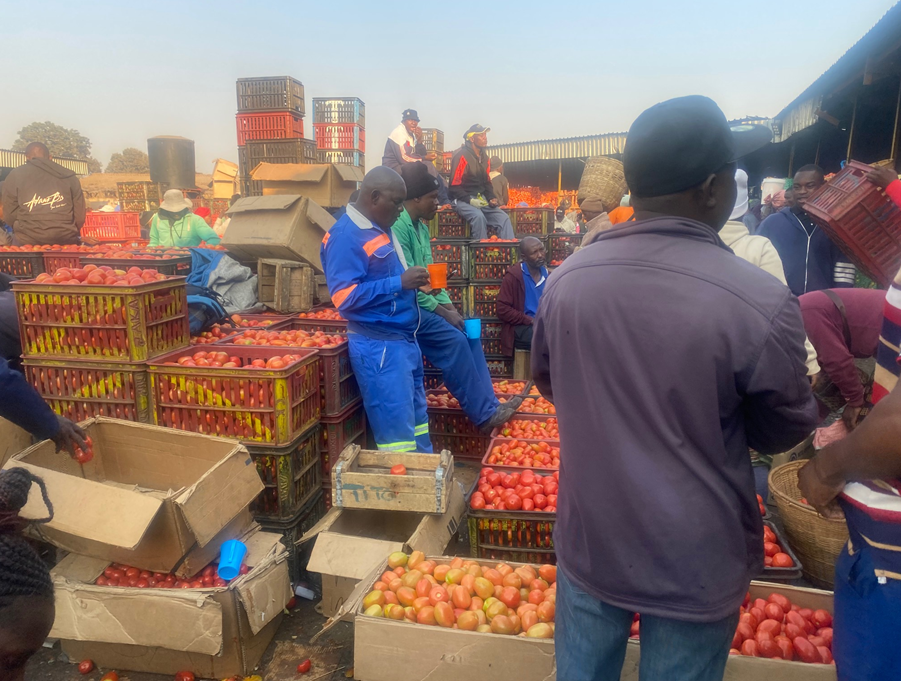
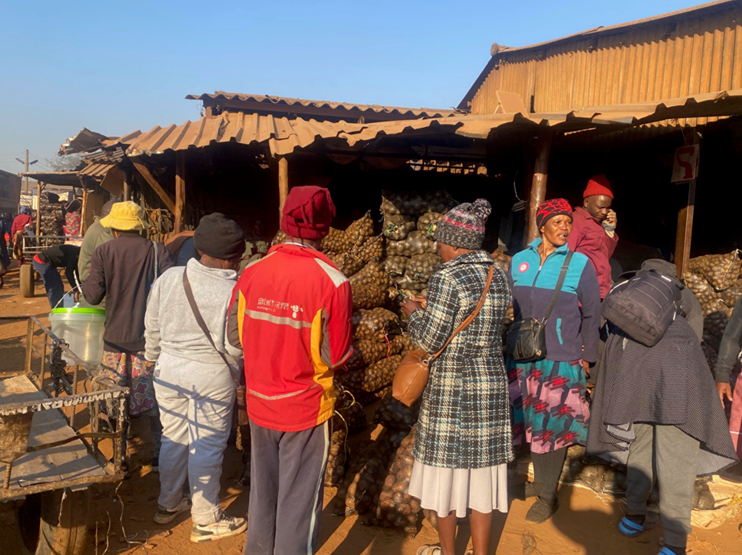
When agriculture and food system become integral components of tourism and hospitality promotion, mass markets receive recognition as tourism-oriented trade centres. The dynamism, values, diversity of commodities and local economic drivers in local markets provide investment opportunities in areas like exports and processing. It is from the market that the mapping of potential investment opportunities along agricultural value chains can be identified. As a trading centre, each market is a knowledge base with diverse experts in various activities like integrating value chains, commodities and trust-based opportunities that exist in the entire ecosystem. Not much value is added by focusing on static features like Victoria Falls. With advancement in technology, most tourists have a complete picture of Victoria Falls without even visiting the site. They also have a correct sense of Great Zimbabwe Ruins from their friends and pictures that are shared online. That means investment opportunities in these popular attractions are quite limited.
The socio-economic elements of African tourism
African mass markets provide an avenue for re-defining tourism in ways that embrace socio-economic elements where the main actors are farmers, artisans, traders and markets themselves. Although these have made many African economies vibrant for decades, they have not been availed to tourism and hospitality promotions. For instance, while mass markets define local food baskets, food security and nutrition, much of the local food is not found in most urban hotels. Tourists can easily get a sense of a country’s identity and sense of values by looking at the food. Knowledge and culture can be shared through food recipes and menus. While African countries import commodities like rice, they are not doing much to promote their own products such as small grains, wild fruits and sweet potatoes for export. Positioning mass markets at the centre of tourism will open export markets for most local products which can be appreciated by tourists.
Mass markets as centres of knowledge exchange between tourists and communities
Just like what happens in tourist centres, it is feasible to establish institutions that organize tours around African communities and local markets where tourists can be able to learn about how African markets operate, the people, culture, commodities and value chains. Local food can be promoted in terms of source and culture. Each market can have a place where knowledge can be shared, for instance, around 40 different commodities in a particular market in the local community. Dialogue sessions can also be convened where tourists share knowledge with farmers, traders, transporters, local authorities, food historians and many other actors. This is how investment opportunities can be identified through knowledge sharing, building on what is available and what is happening. Unless what is happening is known, opportunities remain invisible. All this cannot happen without investment in data collection.
To what extent does Miss Tourism understand agriculture as an economic driver?
Many countries promote tourism through influencers like Miss Tourism. For an agricultural-driven economy, to what extent does Miss Tourism understand agriculture as the country’s major economy driver? Agriculture as a key part of tourism should not just be limited to agricultural shows and trade fairs. Besides happening once per year, these events represent less than 10 percent of a country’s agriculture. Conversely, mass markets are always functioning on an on-going basis. They carry the heaviest load of any African country’s food system and agricultural tourism potential. However, while knowledge is a key resource for most tourists, knowledge in most agricultural markets and communities remains untapped. Agricultural tourism through markets can be the only way of tapping into such knowledge. Mass markets can provide more value for tourists in terms of exposure to people’s unique values and economic drivers.
While tourists can read about Zimbabwe in newspapers, they can’t get some of the most exciting things through mainstream media. Visiting local markets can reveal abundant investment opportunities that cannot be seen through stage-managed shows and fairs most of which are characterized by corporate bullshit – meaningless expressions, statements, catch-phrases and ambitious policy documents that cannot be easily translated into daily business practice.
charles@knowledgetransafrica.com / charles@emkambo.co.zw /
Website: www.emkambo.co.zw / www.knowledgetransafrica.com
Mobile: 0772 137 717/ 0774 430 309/ 0712 737 430