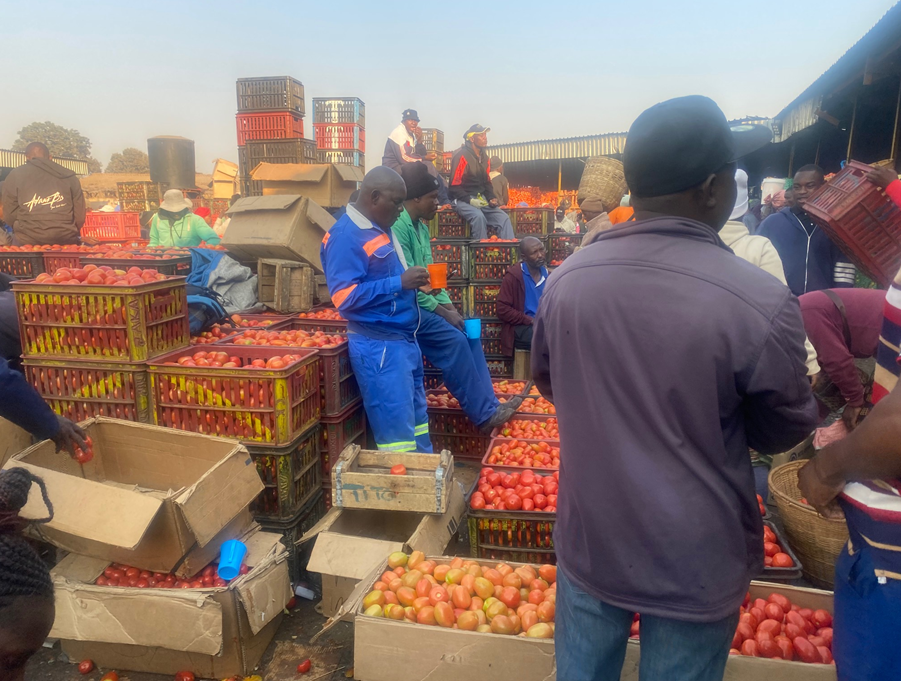
Across the globe, ensuring healthy diets are available to the majority is not receiving the attention it deserves. This challenge has been acknowledged by UN agencies like the FAO, WFP, IFAD, WHO and UNICEF in a recent report. “A healthy diet supports childhood growth, protects long-term health and well-being, and fosters productive and resilient communities. Yet, it is economically out of reach for one-third of people globally, thereby contributing to all forms of malnutrition. At the same time, the costs to society of diet-related non-communicable diseases continue to rise.”
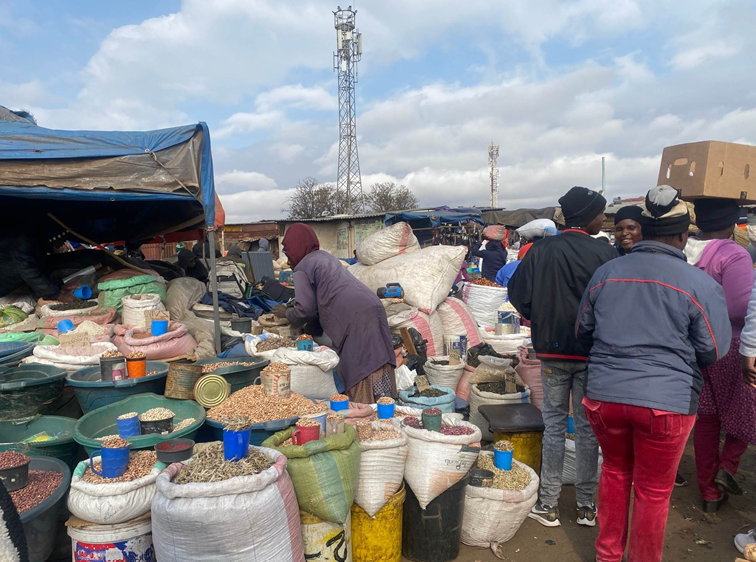
The average global cost of a healthy diet climbed to $4.28 per person per day in 2025 in line with the overall rise in food inflation. This is an increase from $3.44 in 2021 and $2.94 in 2017 – making healthy diet too expensive for around 2.69 billion people, close to a third of humanity. In Africa, roughly two-thirds of the population are priced out of a healthy diet. Globally, 69% of children 6 to 23 months, and 37% of women lack minimally diverse diets. And the situation is worse when a drought is looming. People rarely care to know how safe is the food they are consuming.
Mass markets can be part of the solution
While some policy makers have expressed concern about food safety, capacity to ascertain the cost of a healthy diet is largely missing. Due to affordability reasons, most consumers prefer buying food from mass markets. However, such food might be cheap but there is no evidence showing how healthy or safe cheap food is. Determining whether a diet is healthy, safe or not is largely a science. However, most African countries whose majority get food from the mass market lack the knowledge and laboratories to test the safety of food including water.
An emphasis on production by most governments have seen more focus going to soil sampling than sampling food once produced. Tackling this challenge requires governments and development agencies to invest in improving the state of mas markets from which the majority of consumers get more than 70 percent of their food. Such an intervention can make nutritious food more available and affordable. Instead of continuously putting all resources on the production side, repurposing national food budgets, subsidies and directing research towards fruits, vegetables, and legumes can go a long way in increasing the shelf life of health diets. Most food is healthy just after being harvested but quickly become unsafe due to absence of appropriate market infrastructure and logistics that can reduce food loss and waste.
Tapping into culturally-rooted diets in African mass markets
At a time that climate change is making mono cropping unsustainable, mass markets show diverse possibilities for building healthy diets if properly supported. By providing diverse culturally-rooted food baskets, African mass markets reveal to decision makers and investors how informal food supply networks can support rich collaboration and learning in building healthy diets for different communities. Mass markets don’t just mobilize a rich and diverse food basket from diverse parts of each country. They also demonstrate linkages between food and identity in ways that can enrich diets with indigenous knowledge around food preservation and different preparation methods.
Mass markets as platforms for generating new knowledge around food and diets
Mass markets are also providing space for African food science scholars to move away from studying food systems and diets using an intensification-oriented approach that prioritizes satisfying global market performance at the expense of local markets and domestic consumption patterns. For a long time, conceptual and theoretical frameworks developed in the Global North have hampered the development of comprehensive understanding of local food systems and diets. Opportunities to learn from the rich pool of food practices in African communities and mass markets can no longer be ignored because their significance continues to grow under a changing climate. When properly supported, mass markets can be strong platforms for addressing diet-related challenges.
Although largely undocumented, emerging food interpretations from African mass markets do not cast food as solely market-oriented. They reveal the socio-cultural aspects of food, manifested through solidarity between farmers, traders and consumers. This establishes strong linkages between food and local identity while maintaining local traditions, diets and sustaining indigenous consumption. Documenting all this knowledge can enable communities to see advantages that are embedded in their diets in a globalizing world. Mass markets also express environmental concerns through supporting environmentally friendly food production, distribution and consumption. For instance, they anchor local cultivation practices, food preservation and extensive wild fruit foraging. Most indigenous fruits flowing into mass markets influence trading practices for particular seasons.
Charles@knowledgetransafrica.com / charles@emkambo.co.zw /
Website: www.emkambo.co.zw / www.knowledgetransafrica.com
Mobile: 0772 137 717/ 0774 430 309/ 0712 737 430