Pitfalls of taking community voices for granted in food systems projects

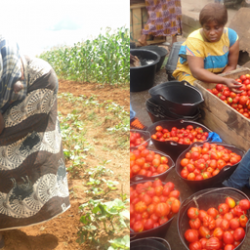
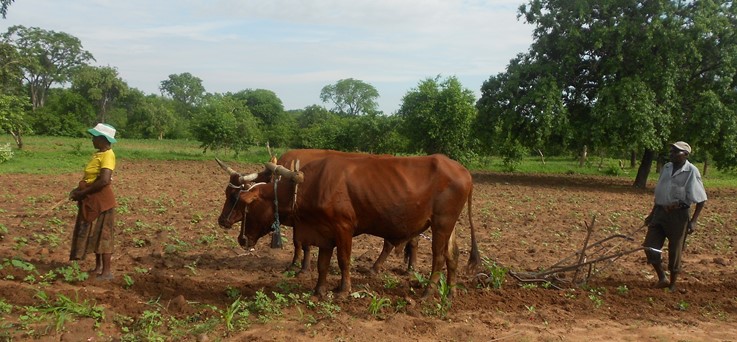
Most conversations about food systems and climate change that happen in global conferences and capital city workshops continue to miss practical community voices. When a few community representatives are invited, the purpose is mostly superficial for legitimizing the event through media coverage. In some circumstances, development organizations get into a community and introduce a goat Read more about Pitfalls of taking community voices for granted in food systems projects[…]

African territorial markets continue to protect food cultures and identities

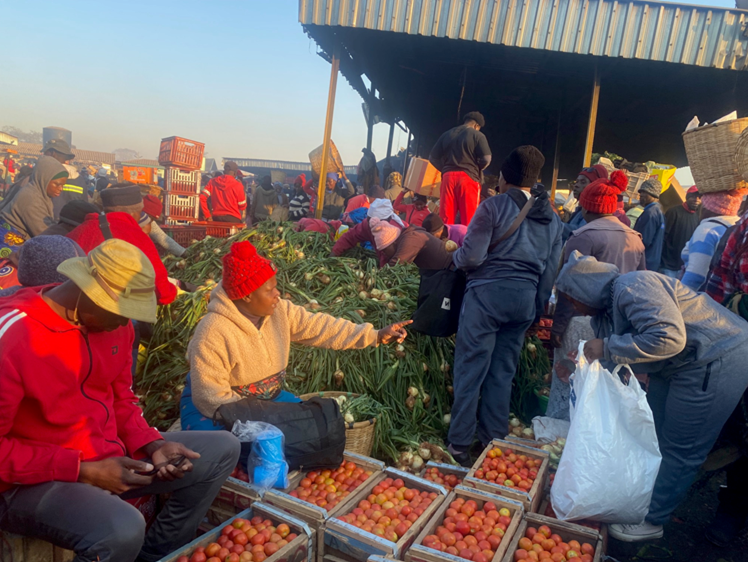
If there were no territorial markets many food ingredients and related recipes would have disappeared. Besides keeping rural and urban areas connected through food, African territorial markets are at the forefront of protecting food cultures. When Africans now living in the city want to remember what they used to eat growing up in rural areas, Read more about African territorial markets continue to protect food cultures and identities[…]

Making sense of African food baskets through territorial markets

In addition to being a source of nutrition and income, African territorial markets provide strong evidence bases for building local food baskets. Such knowledge bases can inspire the young generation to embrace local consumption. More importantly, the evidence can strengthen counter-narratives against industrial food systems. Each documented food basket can also function as an investment Read more about Making sense of African food baskets through territorial markets[…]

African territorial markets are masters of conversational commerce

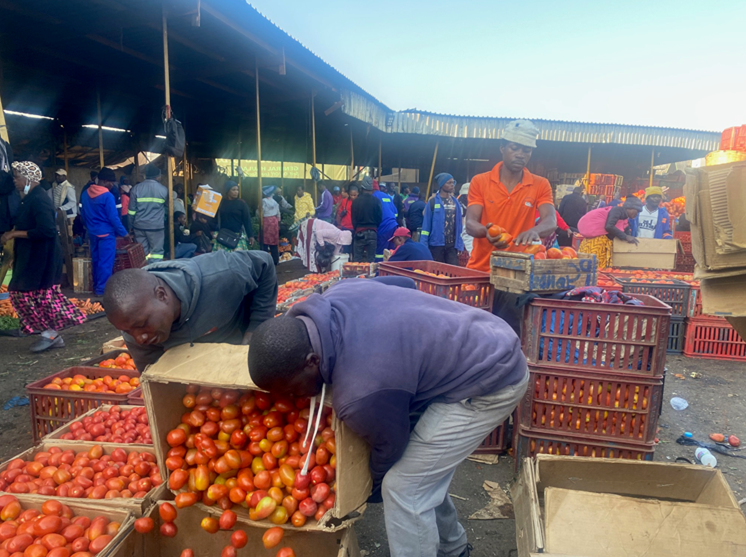
What makes African territorial markets different from other markets is that they are not just about financial transactions. They are masters of conversational commerce and reliable interfaces for discovery, comparison, recommendations and informed decisions. The diversity of commodities shapes what consumers can buy while conversations shape how consumers buy what they want. Whereas formal markets Read more about African territorial markets are masters of conversational commerce[…]

How weak institutional support creates room for opportunists in African food systems

Absence of institutional support and fluid data has persistently seen most African agricultural value chains invaded by opportunists who end up taking the bigger cake from the total value of agriculture. These opportunists also take away proceeds from agriculture to other sectors like real estate, mining and the fuel industry. Some opportunists use their financial Read more about How weak institutional support creates room for opportunists in African food systems[…]

African mass markets as platforms for addressing hunger and malnutrition

What makes African territorial markets impossible to underestimate is not just their power to aggregate diverse commodities from every corner. They also give value to commodities whose nutritional and monetary contribution may remain invisible. It would be difficult to attach prices to indigenous fruits and other commodities if these commodities were not brought to one Read more about African mass markets as platforms for addressing hunger and malnutrition[…]

Africa can feed itself and also be a source of food aid for the whole world

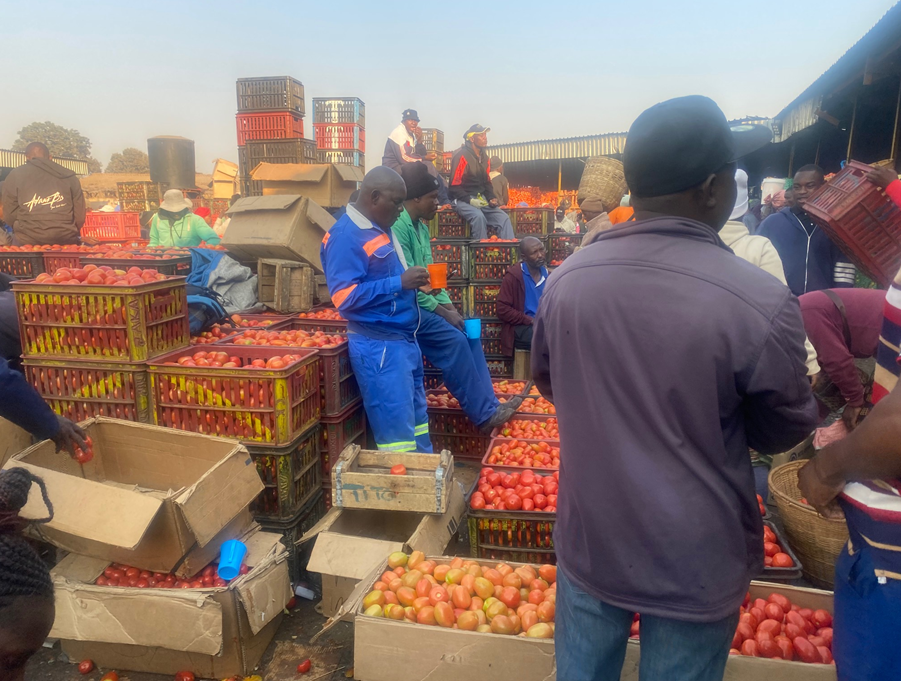
The World Food Program’s 2026 Global Outlook projects 318 million people will face crisis levels of hunger this year and the most affected countries are Afghanistan, Democratic Republic of the Congo (DRC), Haiti, Somalia, South Sudan, and Sudan. Meanwhile, African territorial markets in big cities like Kampala (Nakasero & Nakawa market), Arusha (Kilombero market), Nairobi Read more about Africa can feed itself and also be a source of food aid for the whole world[…]

When interpretation is more important than statistics

While collecting statistics through crop and livestock assessments is necessary, the most important missing link is interpreting and analyzing what is happening to different value chains. Such interpretations and analyses are the domain of crop and livestock specialists not statisticians.  Also important is capturing and analyzing market trends in order to show the return on Read more about When interpretation is more important than statistics[…]

Webs of interdependencies keep African informal economies more resilient

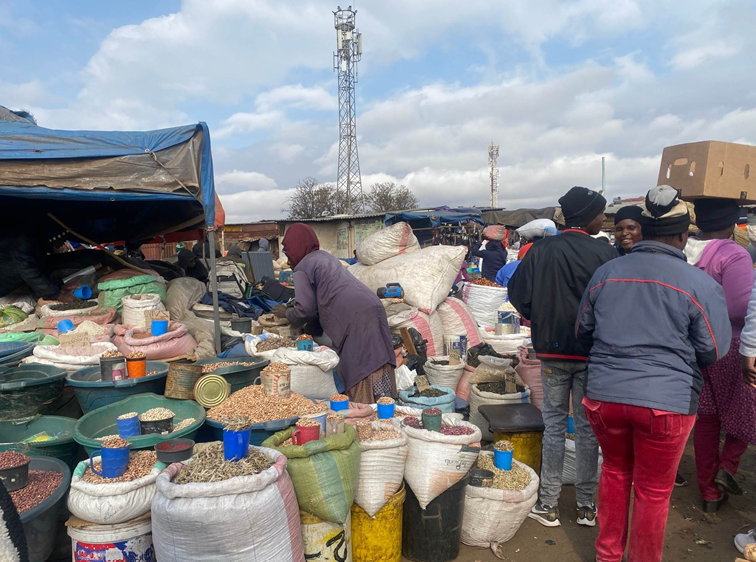
When you see traders in African territorial markets like Mbare in Harare selling Kapenta fish (Matemba), soya chunks, plastic packaging, potatoes and eggs, chances are that those traders don’t own those commodities but have been supplied by a bigger trader on credit. The commodities are co-owned by the trader and the supplier, based on long-term Read more about Webs of interdependencies keep African informal economies more resilient[…]

Headaches and pathways of translating infrastructure into better lives

While infrastructure like road highways and irrigation systems continue to receive much attention, funding and media coverage, it has taken long for most intended beneficiaries to benefit directly from such investments. After investing infrastructure, most development organizations do not think about the sustainability model. The utilization of resources is more critical than just investing in Read more about Headaches and pathways of translating infrastructure into better lives[…]