
The joys and benefits of learning directly from plants and animals.
In spite of the current obsession with formal learning approaches where people are encouraged to learn from each other, many African farmers remain convinced they…
In spite of the current obsession with formal learning approaches where people are encouraged to learn from each other, many African farmers remain convinced they…

Developing countries which embrace a business – as – usual approach to agricultural development will take more than a century to eradicate food insecurity. Continuing…

Most agricultural interventions into African communities do not sufficiently prepare farmers and local agribusinesses for growth and success. That is why as soon as support…

Where formal organizations try to store their knowledge in the form of corporate processes and procedures, informal institutions like people’s agriculture markets pack their knowledge…

An increase in advice from diverse sources is becoming counter-productive for smallholder farmers in many developing countries. Besides over-saturation, there is no shortage of conflicting…

While rainfall can easily be associated with high agricultural production, in many African countries abundant rains also come with enormous damage to food that has…
One of the most enduring misconceptions in developing countries is the notion that if farmers and rural people are not involved in creating knowledge they…

Just as agriculture markets prefer fresh fruits, vegetables, meat, eggs and other commodities, knowledge on all these commodities should also be kept fresh. It is…

From Mali to Zimbabwe and South Africa to Southern Sudan, small grains remain an integral part of mainstream local food systems. There are many reasons…
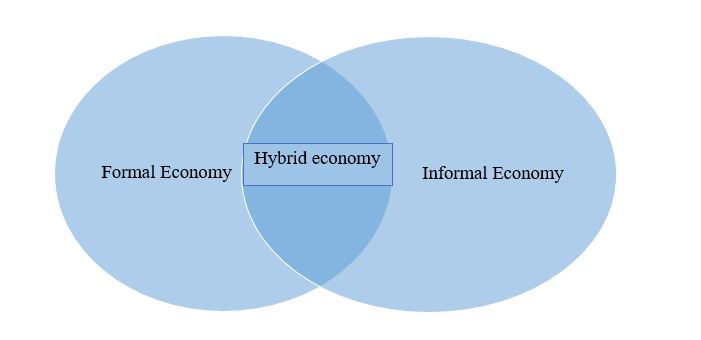
Most African economies are often presented as being dual, comprising the formal and informal economy. However, in real practice the two parts function as a…