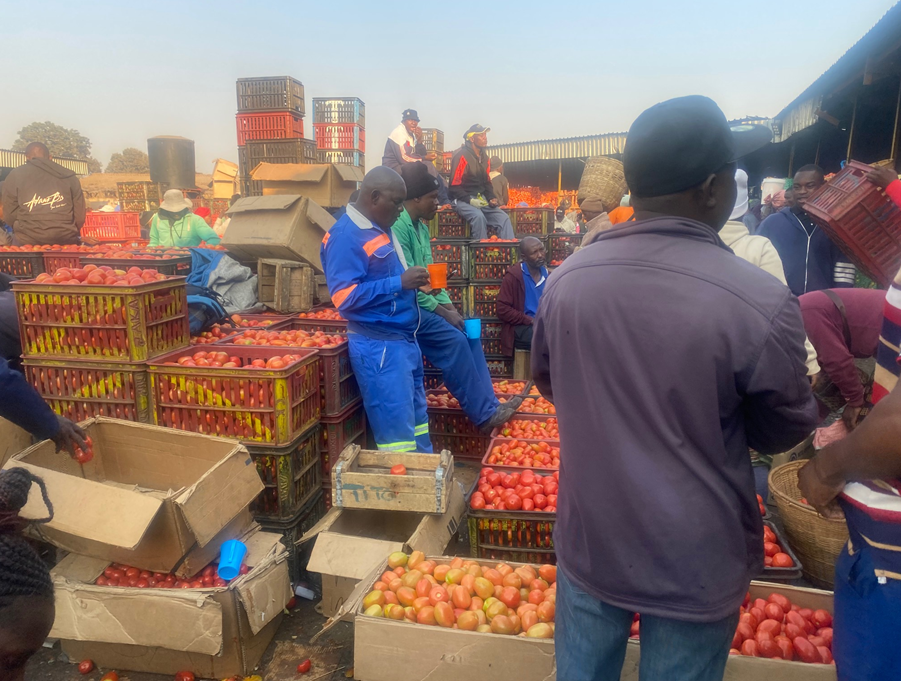
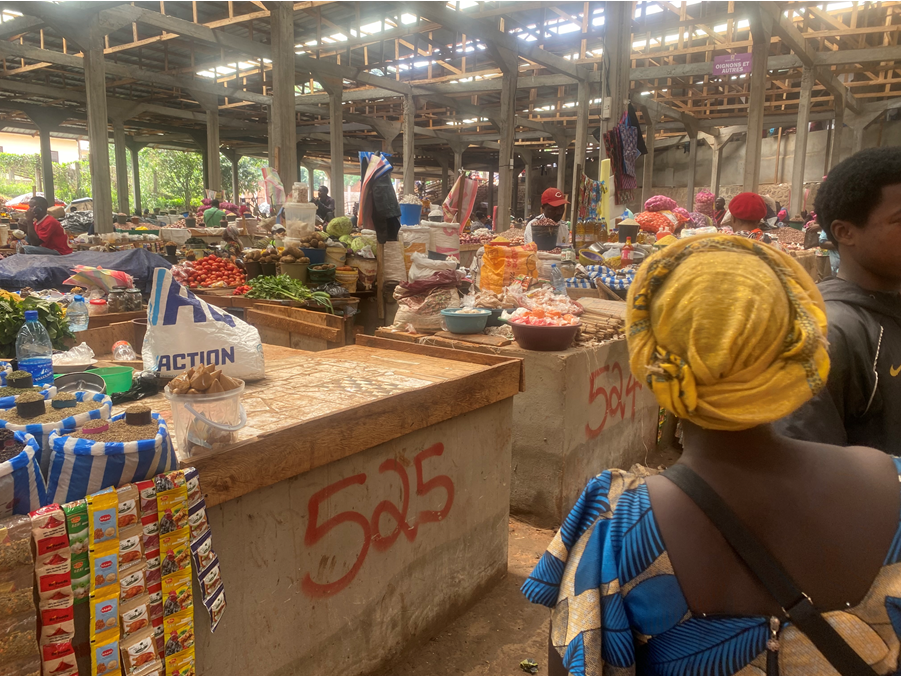
While infrastructure like road highways and irrigation systems continue to receive much attention, funding and media coverage, it has taken long for most intended beneficiaries to benefit directly from such investments. After investing infrastructure, most development organizations do not think about the sustainability model. The utilization of resources is more critical than just investing in infrastructure like dams, highways and market sheds with sufficient understanding of how local communities will use those investments for their good, especially when the intervention phases out.
The importance of step-by-step empowerment
The fact that many communities continue to do what they were doing before a market shed, dam or irrigation scheme was built indicates that those introducing such interventions overlook the value of a step-by-step process of empowering stakeholders who were used to working in certain ways. This includes transforming traditional rigid farming systems like small plot holding, individualism and thin crop production system not informed by the market. More important is Investing in the capacity of farmers to build networks with the market and understanding market operations.
To be different from what already exists, a new market should support economic drivers from diverse communities, districts, towns and provinces. Somebody has to capacitate local people and offer education in mind-set change so that communities realize that what they are doing is for themselves and their local development. The following issues should also be considered:
Resourcing the market – is there a financier willing to take the local market as collateral? Who can put inputs with a view of benefitting later? Is there an agricultural inputs dealer willing to do so?
Consolidating data to keep the market informed – without data, it is difficult for the market to become a hub for consolidating diverse commodities and informing other markets in terms of types of commodities and quantities available for sale or in demand. Development can only happen when there is information and extension services embrace what happens in the market as part of their work. Revamping irrigation schemes can only be valuable when there is a market for what is produced in those schemes. Investments by development organizations must also speak to the market. In Zimbabwe, the International Fund for Development (IFAD) has been investing rehabilitating irrigation schemes for 13 years without any meaningful attention on mass markets that are supposed to absorb surplus commodities from irrigation systems. Consequently, sugar bean, tomatoes and other commodities from those irrigation schemes are sold on the ground in cities.
Absence of consolidation fuels informality
What increases the gap between formality and informality in most African countries is lack of consolidated planning and implementation. For instance, there should be synergy between water development and foods as well as water developments and roads. At the center of consolidation should be one big initiative like water which can easily be connected with roads, markets, education and others. As each node branches from water, ICTs, finance and other sectors can contribute to employment creation avenues. A consolidation framework can also inform the relationship between government departments. Lack of relationships and consolidation leads to haphazard development. The ministry of health will run with clinics and hospitals without thinking about power and roads which fall under different ministries yet, to be useful, a clinic or hospital need access to water, food, roads and power. The ministry of agriculture’s budget should speak to the ministry of health budget so that nutritious food from the ministry of agriculture supports the goals of the ministry of health.
The market as a consolidation framework
How does a farmer in bad roads benefit from the highway when the local roads are so bad that they reduce the quality of commodities produced in the community? Unless these questions are answered, benefits of highway road networks become exclusive to a few who are close to the roads or some other unintended beneficiaries like middlemen. The market can be an ideal hub of consolidating, utilizing and re-purposing resources because it can inform the best use of land in terms of returns. That is why territorial markets should receive recognition, support and protection. Consolidation enables targeting and capacitate in utilization local resources like forests. Consolidation can be done better by a technical think comprising people who bring evidence from diverse sources to build models that synergize agriculture, health, tourism and map the entire synergy of government systems. This will prevent duplication of duties between ministries.
Charles@knowledgetransafrica.com / charles@emkambo.co.zw /
Website: www.emkambo.co.zw / www.knowledgetransafrica.com
Mobile: 0772 137 717/ 0774 430 309/ 0712 737 430