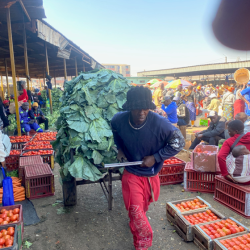
Africa can feed itself and also be a source of food aid for the whole world

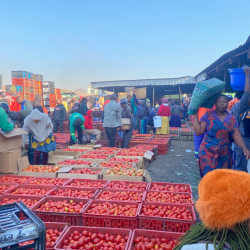
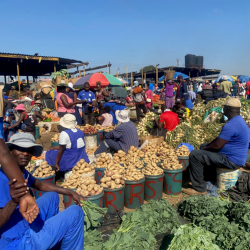
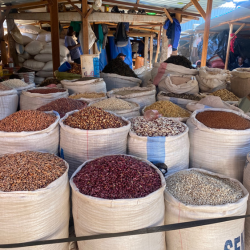
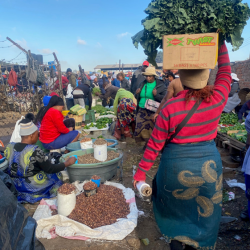
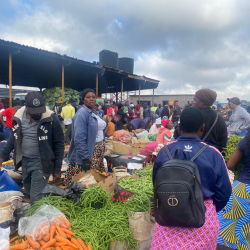
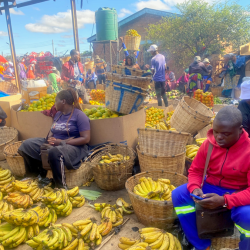
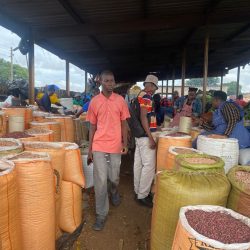
The World Food Program’s 2026 Global Outlook projects 318 million people will face crisis levels of hunger this year and the most affected countries are Afghanistan, Democratic Republic of the Congo (DRC), Haiti, Somalia, South Sudan, and Sudan. Meanwhile, African territorial markets in big cities like Kampala (Nakasero & Nakawa market), Arusha (Kilombero market), Nairobi Read more about Africa can feed itself and also be a source of food aid for the whole world[…]

When interpretation is more important than statistics

While collecting statistics through crop and livestock assessments is necessary, the most important missing link is interpreting and analyzing what is happening to different value chains. Such interpretations and analyses are the domain of crop and livestock specialists not statisticians.  Also important is capturing and analyzing market trends in order to show the return on Read more about When interpretation is more important than statistics[…]

Headaches and pathways of translating infrastructure into better lives

While infrastructure like road highways and irrigation systems continue to receive much attention, funding and media coverage, it has taken long for most intended beneficiaries to benefit directly from such investments. After investing infrastructure, most development organizations do not think about the sustainability model. The utilization of resources is more critical than just investing in Read more about Headaches and pathways of translating infrastructure into better lives[…]

How African territorial markets are quietly rewriting socio-economic rules

Being self-organized for decades has enabled most African territorial markets to write their own socio-economic rules in ways that are contrary to formal systems that African governments borrowed from colonialism without questioning. For instance, whereas formal business often at 8am and close at 5pm, most African territorial markets operate 24/7 with restocking happening throughout the Read more about How African territorial markets are quietly rewriting socio-economic rules[…]

Making market infrastructure fit for purpose through consultative processes

One of the major reasons why African countries are littered with abandoned market sheds intended for the poor is because these structures are set up without sufficient consultation. Those with a lot of money think they know what poor people need and quickly build what they call ‘world-class’ markets when what is needed are simple Read more about Making market infrastructure fit for purpose through consultative processes[…]

The underestimated role of traditional medicine in shaping local wellbeing

In most African communities, traditional medicine and indigenous herbs are in integral component of local well-being. Any conversation about local food systems which does not mention the role of traditional medicine and indigenous herbs is incomplete. However, there has been limited research on the trade and consumption of traditional medicine and indigenous herbs including how Read more about The underestimated role of traditional medicine in shaping local wellbeing[…]