-
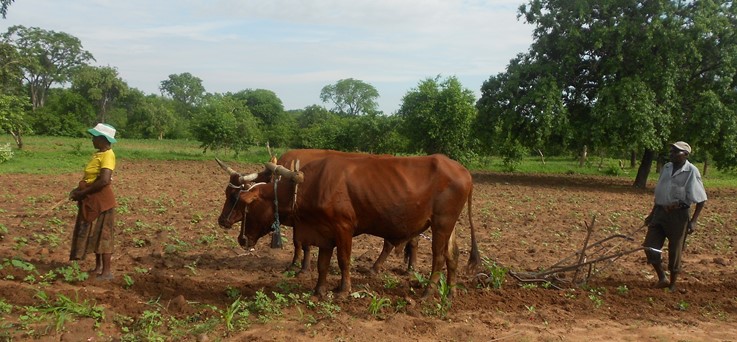
Why the elite should stop imposing their expectations on smallholder farmers
Bankers expect smallholder farmers to repay loans at a particular interest. For economists, African smallholder farmers are supposed to master…
-
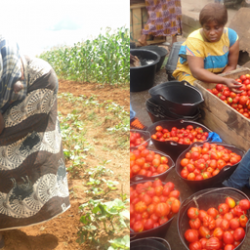
How to move from ordinary to best agricultural practices
‘Best practice’ is not even a mouthful but what it means in practice remains unclear to many people who use…
-
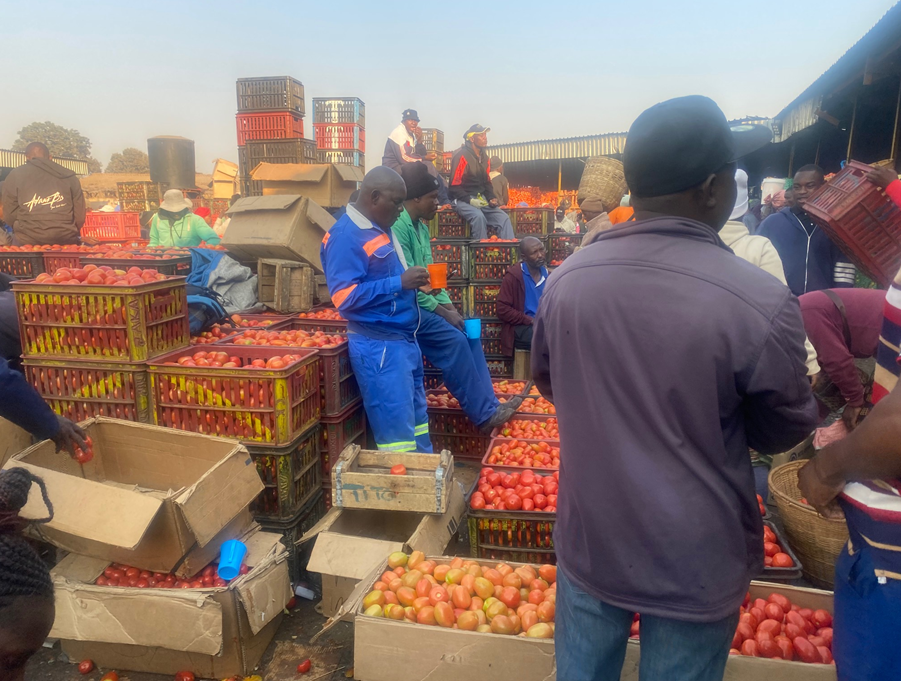
When costs of marketing exceed the costs of inputs and what do about it
Mastering production is a good thing but it should not be at the expense of understanding the whole food chain…
-
Every African community can turn its food basket into an investment guide
One way African communities can build their own resilient food systems with minimum external support, especially under a changing climate,…
-
The role of intercultural marriages in sustaining African food systems
African women who grew up growing specific crops and preparing meals in particular ways often take these practices to communities…
-
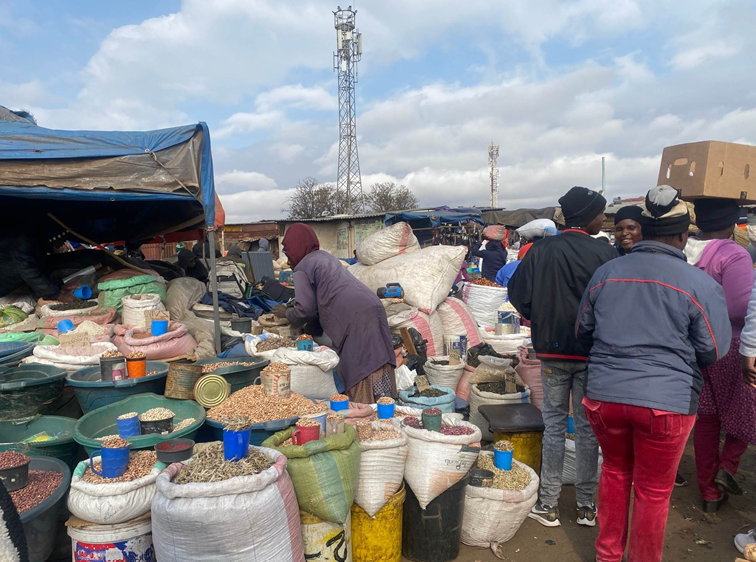
Making healthy diets more affordable through mass markets
Across the globe, ensuring healthy diets are available to the majority is not receiving the attention it deserves. This challenge…
-
Fragmented and inaccessible data is undermining home grown innovation
In most African countries, fragmented and inaccessible data continue to limit home-grown innovation while enabling external exploitation. Many government departments,…
-
Mass markets separate farmers by calling from farmers by opportunity
Across Africa, there is no shortage of training courses and capacity building programs for farmers, women, youths, SMEs and economic…
-
Undocumented job descriptions and skills that drive African food systems
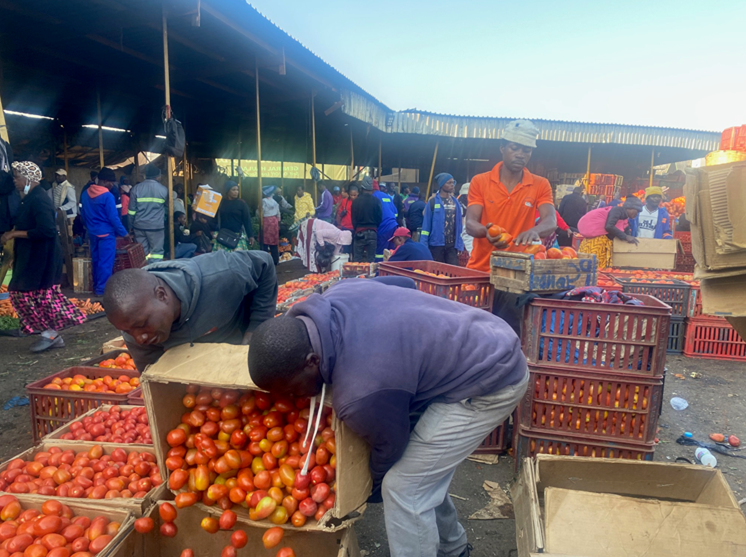
Many African countries have not invested in understanding the skill-base comprising traits, talents and passion that drive food systems. Unless…
-

Mass markets build farmer confidence and transform behaviour
Once farmers start participating in the market, they no longer remain the same. By talking to other farmers and listening…
-

Formal institutions do not have the data required to build African economies
Formal institutions do not have the data required to build African economies The amount and quality of data required to…
-
Mass markets offer new grounds for interpreting African economic realities
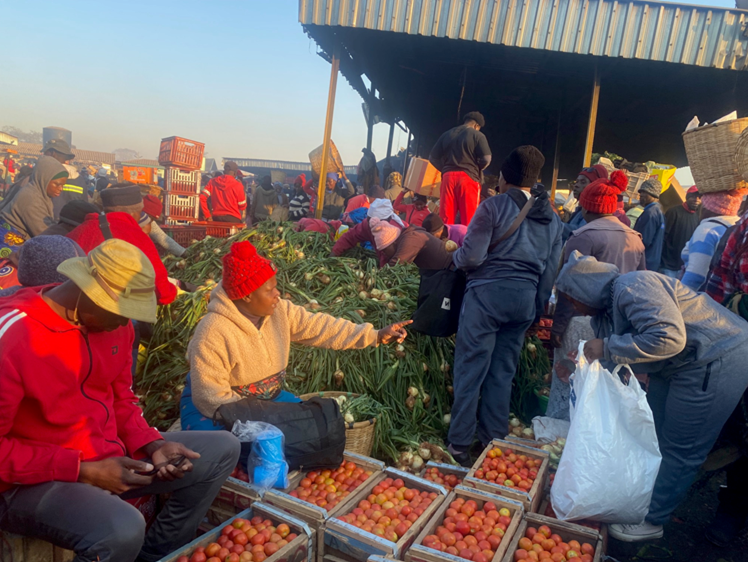
Mass markets offer new grounds for interpreting African economic realities It is only through working with mass markets that African…